
Decluttering Isn't Throwing Everything Away
As a professional organizer in Metro Vancouver, I recommend the same first step in every home or office I visit: decluttering. Many people think it means throwing everything away. What it really means is deciding what stays.
Why do I start with decluttering?
Organizing is easier to maintain when there's less to organize. Decluttering is the step I strongly recommend before anything else. I can organize your space and label every box without it, but I'd mostly be moving things around. Removing what you don't need is what makes an organized home easier to keep. Duplicates, things you don't use, things you'll use "one day," things bought years ago that have been sitting there: this is where I start.
What does decluttering involve?
It means taking the time to think about each item and being completely honest about whether you'll use it or not. I guide you with questions. You make the decisions.
It can be very emotional, and it might not happen in one day. That's okay. What matters is that you start and practice how to do it.
Letting go isn't always easy for me either.
I made a plate in a pottery class with friends, and I took my time to make it look nice. I pictured using it for chips and salsa, but it cracked in the kiln. I used it a few times, and then it just sat in the cabinet. It was the first thing I ever made in pottery, so I kept looking at it and asking myself why I was still holding on to something I wasn't using. At some point I decided it was time to let go. I liked it, and I had fun making it. But I'd rather use that space for something else.
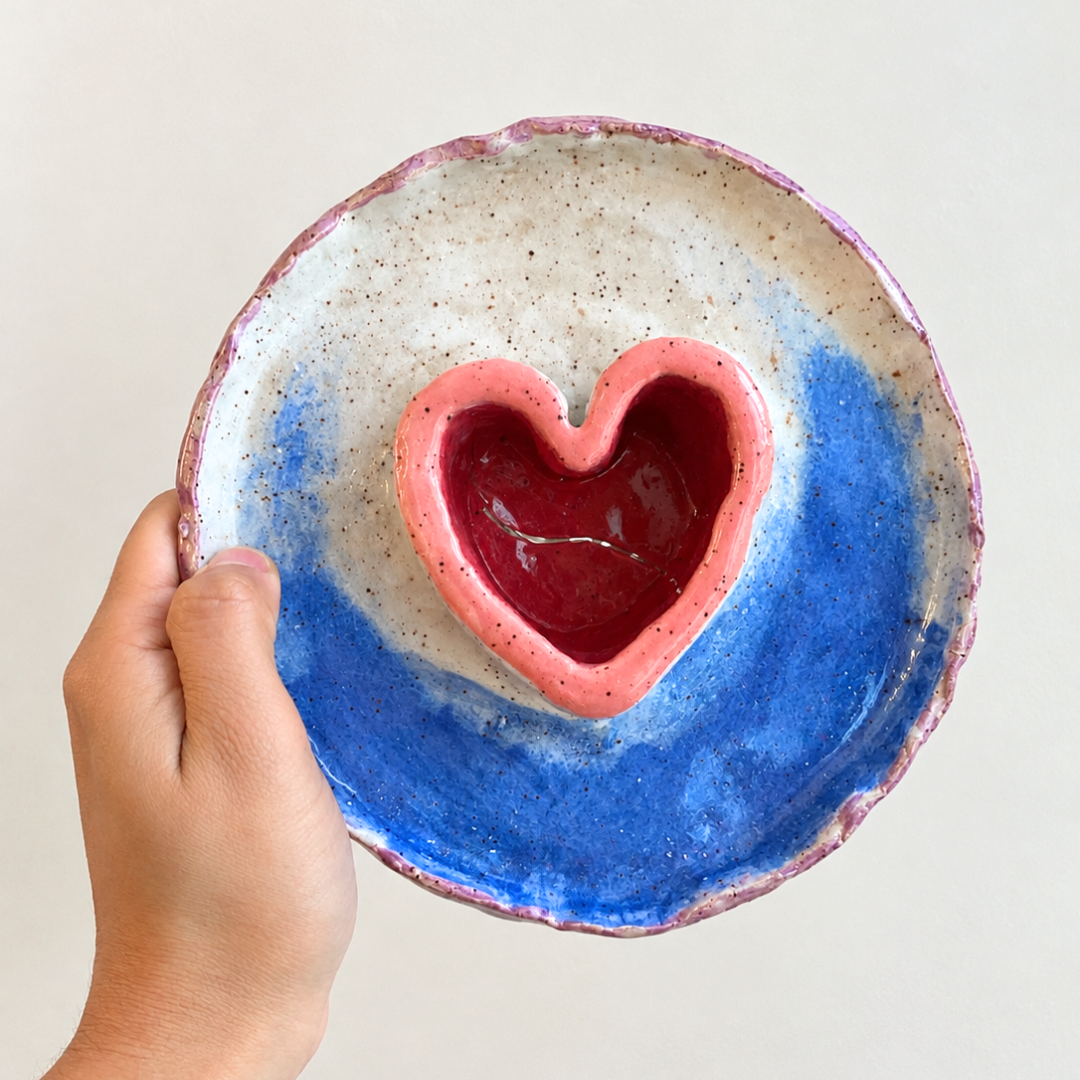
Letting go of it doesn’t mean letting go of the memory.
I had a really good time making this plate with friends, and that stays with me. Now there’s room in the cabinet for something I’ll actually use.
Books are harder for me to let go of than most things. I love to read, and over the years I ended up with books from friends and books I bought but never got to start. What helped was remembering that the library has them, so I can borrow one whenever I actually want to read it. I donated some of them. I kept the ones I love, the ones I'll read again and the ones I will actually read soon.
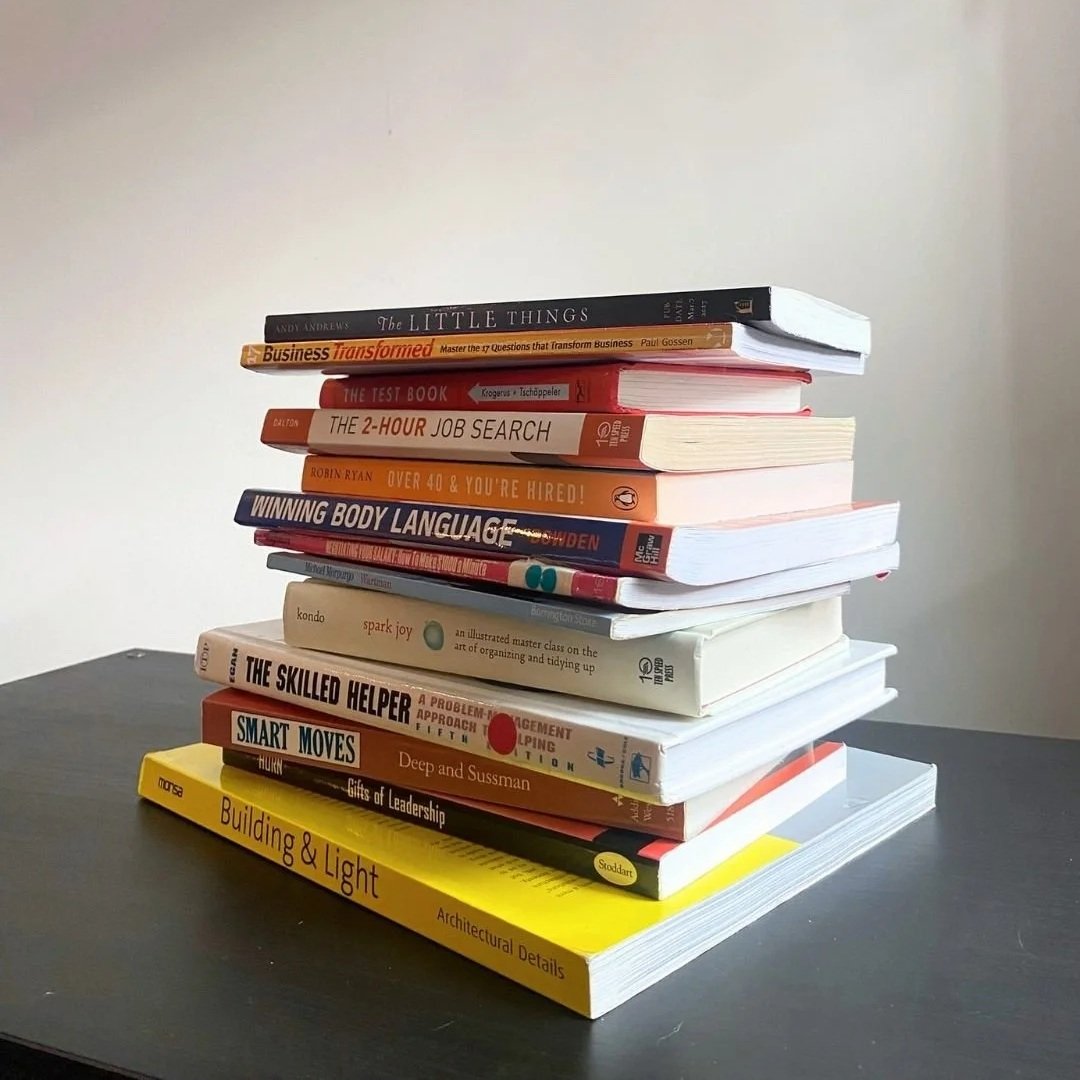
Letting go doesn’t mean the books, or the intention, weren’t worth something. It just means I stopped holding onto them out of guilt.
The most recent example of letting go was a box with items I'd carried from country to country for about 10 years. School notebooks, drawings, greeting cards, small souvenirs. I always knew it was there, but I never read the notebooks. This time I went through everything one item at a time and asked myself if I'd ever read them. Ten years in, the answer was no, so the notebooks went into the recycling and the souvenirs for donation. I only kept my school drawings, because they remind me I was good at it, and I can take some time to do more of it. I kept my greeting cards too. They’re always fun to read again, and without the envelopes, they take less space. Now the box has less in it, and everything left is something I enjoy.
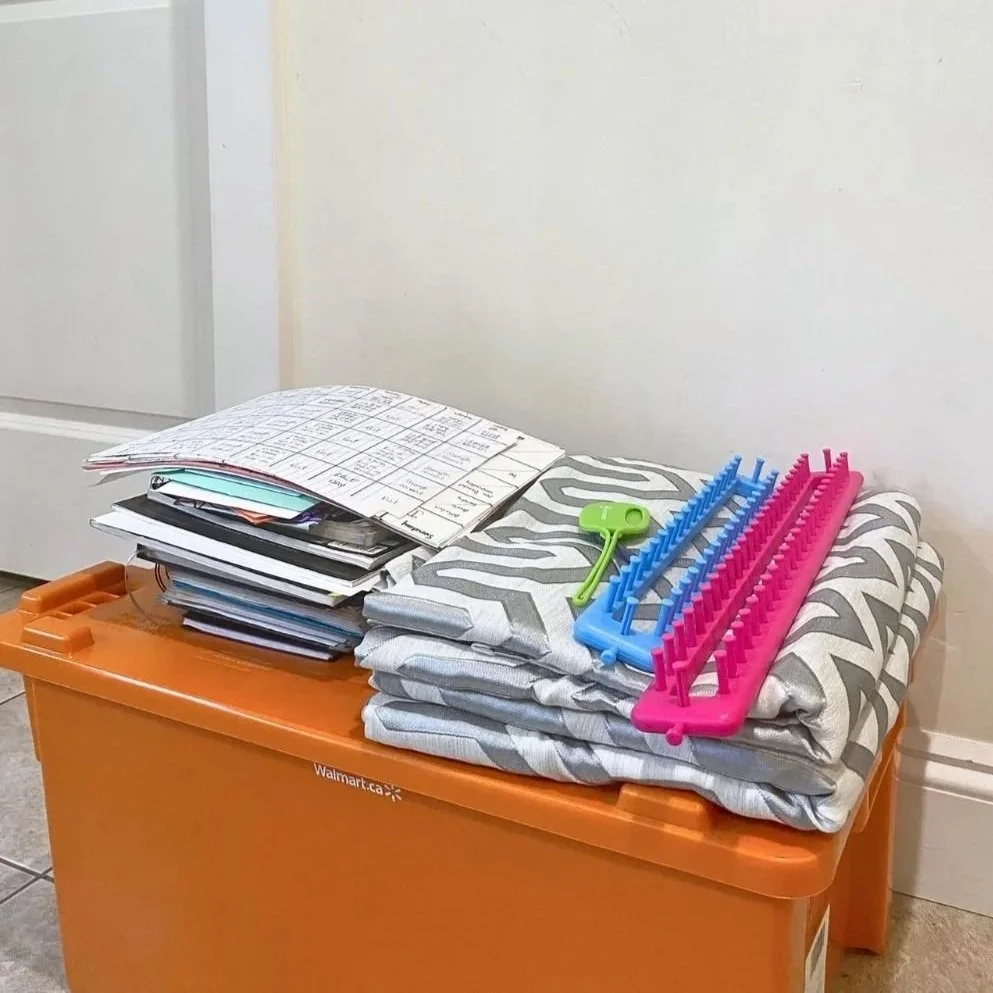
Letting go of the notebooks doesn’t mean letting go of what I learned or remember. It just means I’m choosing what comes with me to my next move.
Where could you start decluttering?
Start with something small: a shelf, a drawer, a box. Look at each item and ask yourself honestly if you'll use it. Keep what you will, and let go of what you won't.
If you'd like someone to guide you, I'm a professional organizer working with clients across Metro Vancouver. Reach out and we can talk about where to begin.
